Spotlight | High-Voltage Substation Design & Engineering Explained
Written by Dave Rough, Chief Development Officer
A site can have land, planning and customer demand in place and still not be viable. Without a deliverable electrical connection, it cannot be operational.
It is a challenge reflected in the programme for DICE Europe on 12 November. Its “Power First” panel highlights grid connection queues averaging seven to ten years in the major FLAP-D markets such as Frankfurt, London, Amsterdam, Paris and Dublin. That makes the substation an early commercial decision, not a late engineering detail.
This guide covers what a high-voltage substation does, the design decisions that affect cost and programme, and what to check before you commit to a site.
What Does a High-Voltage Substation Do?
A high-voltage substation switches, protects and controls electrical circuits. Where the voltage needs to change, transformers convert it to suit the next part of the network.
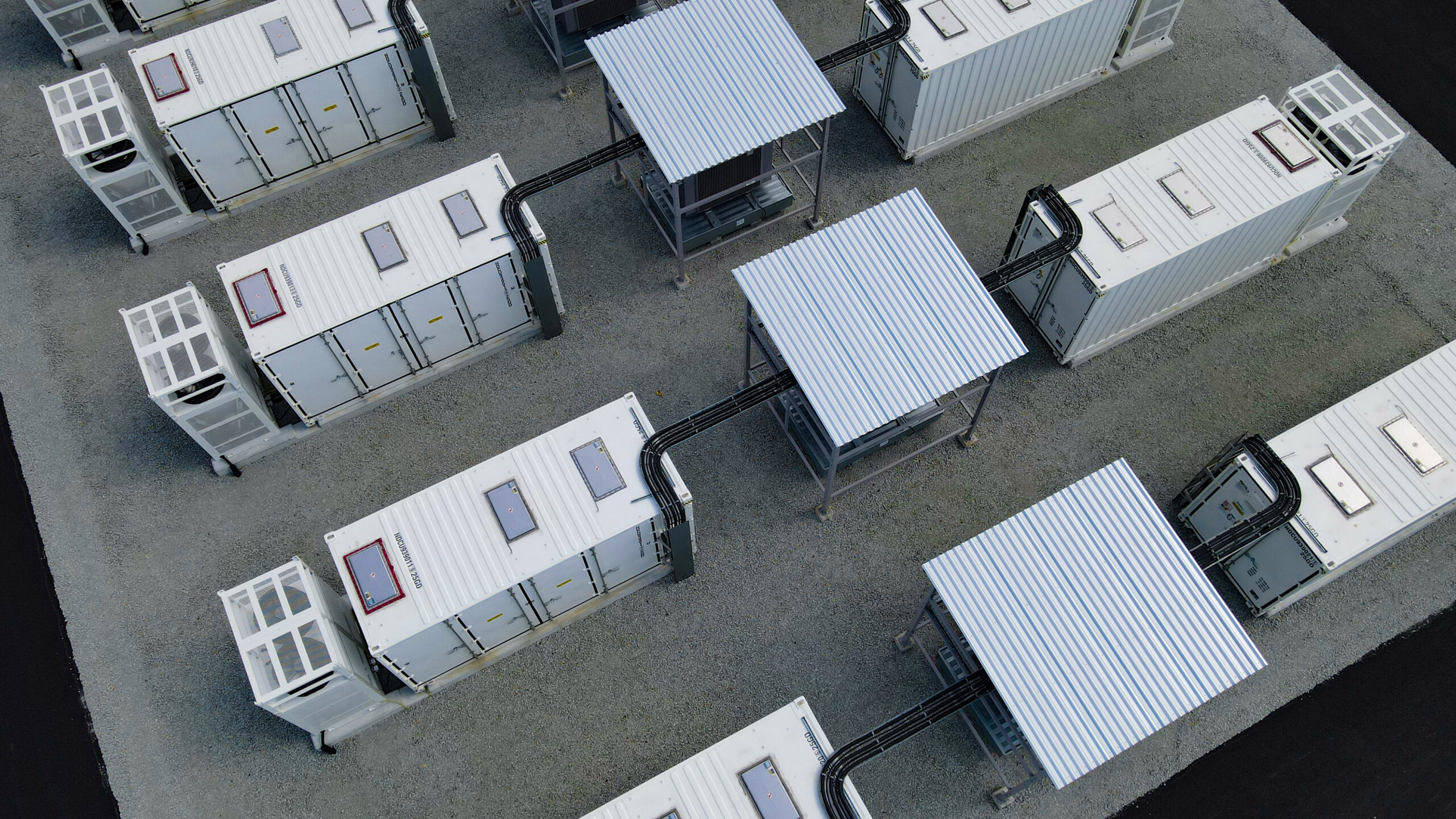
For a data centre, an on-site substation can receive power at a higher voltage and step it down for distribution across the campus. It uses switchgear to connect or isolate circuits, for example during maintenance, and protection systems to disconnect faulty equipment quickly.
Its design must reflect the site’s operating requirements, including demand, maintenance and resilience. Those requirements influence equipment selection, land allocation and the connection to the wider network.
The Design Decisions That Shape Cost and Delivery
Electrical engineering, civil engineering and the connection strategy all affect each other. A change in one can alter the requirements in another.
Selecting the Network Transformer and Electrical Equipment
A network transformer changes voltage between parts of the electrical system. The transformer’s rating and configuration need to suit the proposed demand, operating conditions and connection requirements.
Switchgear, busbars and other primary equipment must also be coordinated with that design. Engineers establish how equipment connects, how circuits are protected and how the installation will operate.
For the developer, these choices have physical and commercial consequences. Equipment dimensions affect the layout; delivery and replacement requirements affect access; and specifications must be clearly defined to support procurement. Equipment arrangement, cable routing and earthing layouts should therefore be designed together.
Coordinating High Voltage Cable Network Design
High voltage cable network design connects the substation to the wider project. It covers cable sizing, route layouts, trench arrangements, joint locations, cable pulling calculations and the interface with substation equipment.
A route that looks direct on a plan may involve difficult crossings, existing utilities or restricted working space. Moving the substation can fix one constraint and create another, so assess route and substation together.
Making the Layout Buildable and Maintainable
Foundations, buildings, drainage, cable trenches and access routes all need to support installation and long-term operation.
A compact layout preserves development land, but check that it still allows:
● Safe working access around equipment
● Space to maintain equipment without shutting down more of the site than necessary
● A route to remove and replace major equipment at the end of its life
Planning for Data Centre Growth
Data centre campuses often open with one data hall and add more later. Reserving space early costs little. Retrofitting it later can mean disruption to a live site.
When planning for phases, ask:
● How much demand is needed at each phase, and when?
● Where would extra transformers, switchgear or cable routes go?
● Can later phases be built without taking the live installation out of service?
● Does the connection agreement actually cover the later-phase demand?
The last question matters most. Space for another transformer does not secure additional electricity from the grid. Physical provision and network capacity are separate issues, and the connection strategy must address both.
You do not need to install every future component on day one. You do need to avoid design choices that rule expansion out.
Managing the Programme Through to Energisation
Substation delivery depends on more than completing construction. Design acceptance, equipment procurement, cable installation, testing, commissioning and network interfaces all have to line up.
Early planning should identify:
● Approval responsibilities: who reviews each design and where ownership boundaries sit.
● Procurement dependencies: which equipment decisions affect manufacturing and delivery.
● Construction interfaces: how substation works fit with cable routes and the wider development.
● Commissioning requirements: what must be tested and accepted before energisation.
Good coordination reduces delays within your control. It will not remove upstream grid constraints, but it ensures your infrastructure is ready when the agreed connection becomes available.
How JSM Connects Engineering with Delivery
JSM’s substation services bring together design, civil works, construction and commissioning, including transformer and switchgear installations. Its published experience spans systems from 11kV through to 400kV.
One example is JSM’s 132kV data centre connection in Hemel Hempstead. The project required a 6.5km civil infrastructure route, primarily within public highways, as part of a 60MVA connection.
For developers, this reinforces why the substation cannot be assessed in isolation. Delivering power requires coordination across the site, the cable route and the network interface.
JSM’s advisory team can support you from early feasibility and planning through to delivery.
Meet JSM at DICE Europe
JSM’s Business Development team will be attending DICE Europe on 12 November 2026, where the programme includes discussions on securing power and delivering data centres at speed and scale.
If you are assessing a potential site, planning an expansion or developing your grid connection strategy, speak to the team about the infrastructure needed to move your project forward.
Contact connect@jsmgroup.com to arrange a conversation.