October 2025 marked a major change for the UK’s utility and street works sector. The new Street Works UK (SWUK) Material Classification Protocol came into effect, replacing the previous regulatory position statements and creating a single, risk-based process for classifying excavated waste. This article explains what has changed, how JSM Group prepared for the new rules, and what we have learned from our first month working within the updated framework.

What Has Changed?

The SWUK Material Classification Protocol provides a clearer and more consistent approach to handling waste from street works. Since earlier guidance had been withdrawn, the industry needed a modern, reliable method. The new protocol now fills that gap. Key changes include:

A risk-based approach

Every excavation that falls within the scope of the protocol must now be assessed using a standardised risk-based method. This takes into account historical land use, nearby contamination risks and environmental factors.

Applies to all qualifying works

Emergency, minor and major works must all follow the same waste classification process, regardless of size or urgency.

Stronger environmental protection

The structured process reduces the chances of misclassifying waste, helping protect land, water and air quality.

How JSM Prepared for the New Rules

In the months leading up to implementation, JSM delivered a thorough preparation programme to ensure that all teams were confident and ready.

1. Training and internal guidance

We developed clear, practical training for office staff, supervisors and site operatives. This included:
  • The purpose and requirements of the SWUK Protocol 
  • A step-by-step overview of the classification process 
  • Roles and responsibilities at each stage 
  • Correct documentation and recording procedures 
  • How to segregate excavated material effectively on site 

2. Updated processes and digital tools

We reviewed and modernised our procedures and digital systems to align with the protocol. These updates included:
  • Introducing a desktop risk assessment during the planning stage 
  • New segregation guidelines for stockpiling excavated material 
  • A digital tool used by site teams to assess contamination indicators 
  • Improved waste-transfer documentation to strengthen traceability 

Our First Month Under the New System

After one month of operating under the new rules, the impact is clear across planning, excavation and waste-handling activities.

Desktop risk assessments

Each qualifying permit now undergoes a desktop assessment before any excavation begins. This assessment includes checks such as:
  • Historical land use 
  • Known or potential contamination 
  • Proximity to locations such as former landfill sites or petrol stations 
  • Any previous knowledge from earlier works in the area 
These findings are passed to site teams in advance so they know what to expect and how to prepare.

Segregation and classification on site

Material handling on site is now carried out in a more controlled manner. Teams now:
  • Separate excavated material into distinct stockpiles such as asphalt, sub-base or natural soil 
  • Assess each stockpile using standard contamination indicators through our digital tool 
  • Prioritise the reuse or recycling of clean material 
  • Handle and dispose of any potentially contaminated material in line with the new requirements 

Better documentation, sampling and reporting

We have strengthened our documentation processes so that every load of waste can be traced back to its excavation location and classification decision. We also support clients with required sampling. At least 1 per cent of excavations must be laboratory tested, as specified by the protocol. JSM is also fully prepared to provide the data required for quarterly reporting.

Benefits of the New Rules

The new protocol offers several advantages for clients, communities and the environment, including:
  • Improved environmental protection through more accurate waste classification 
  • Greater transparency and accountability thanks to better documentation 
  • More consistent standards across all types of street works 
  • Reduced waste volumes by allowing clean material to be reused or recycled 
Clear decisions supported by evidence from risk assessments and sampling
Waste segregation in action

Looking Ahead

The introduction of the SWUK Material Classification Protocol is more than a regulatory update. It represents a move towards a more sustainable, transparent and consistent approach to street works across the UK. At JSM, our focus now is on embedding these improvements into everyday operations, continuing to refine our approach and supporting clients as the wider industry adapts.

Last week, a team of seven JSM Group volunteers joined forces with Citizen Zoo and euNetworks to support the creation of a new wetland habitat at Tolworth Court Farm.

Together, we planted aquatic vegetation across the site’s artificial wetland, a key milestone in Citizen Zoo’s long-term rewilding vision. These plants will help boost biodiversity, support local wildlife, and contribute to a greener, more resilient urban ecosystem.

Ben Stockwell, Urban rewilding officer at Citizen Zoo says:

We were delighted to welcome a brilliant team from JSM and euNetworks to our Wild Tolworth site for a day of wetland planting. This marked a major milestone – the first plants to go into the ground since we created our 3,500m³ wetland. A huge thank you to JSM for providing the aquatic plants that will help bring this new habitat to life, and to everyone who took part for making it such a productive and inspiring day.

Vegetation plantation

We’re proud to play a part in this inspiring project and look forward to future opportunities to support nature-based solutions in our communities.

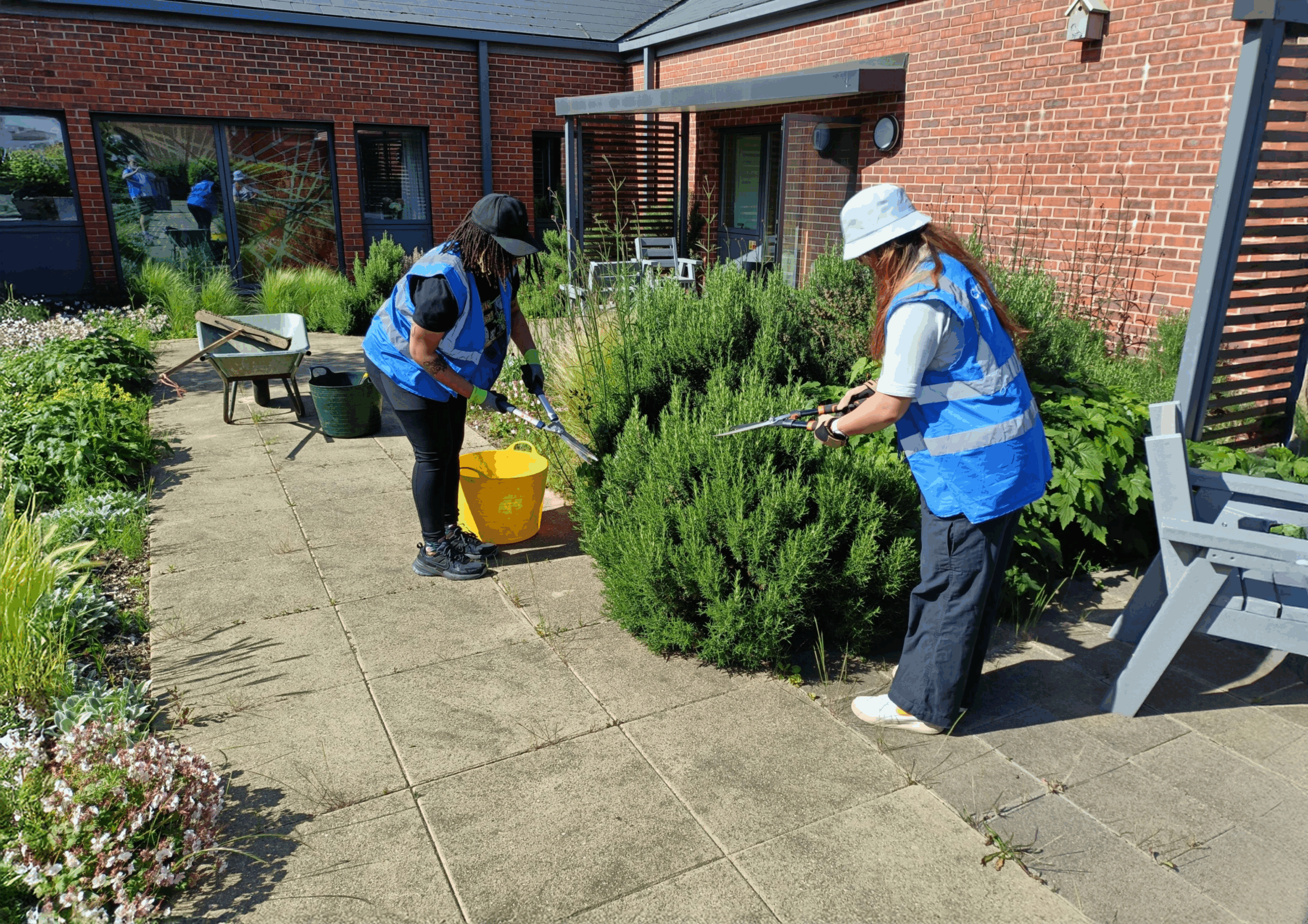
In the spirit of Volunteer Week, a dedicated group of JSM volunteers spent the day at Fair Havens Hospice in Southend, contributing their time and energy to help maintain the hospice grounds.

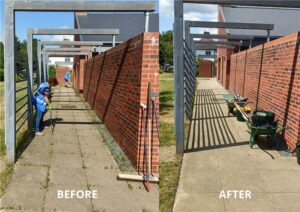
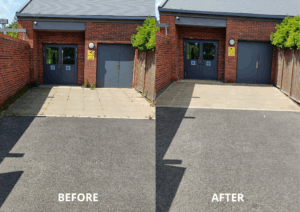
The team focused on weeding and pruning key areas around the facility, starting with the ambulance bay and later moving on to clear the walkways and car park. Their efforts aimed to create a more welcoming and pleasant environment for both residents and visitors.

Each year in the UK, Volunteers’ Week is celebrated from the first Monday of June. It’s a dedicated time to recognise the invaluable contributions of volunteers across the country. This national celebration not only honours the time and effort given by volunteers but also raises awareness of the vital role volunteering plays in strengthening communities and supporting essential services.

Fair Havens Hospice, part of Havens Hospices, provides compassionate care and support to adults living with complex or incurable conditions in Southend. Their services are completely free of charge and tailored to meet the physical, emotional, psychological, and spiritual needs of patients and their families. Whether delivered at the hospice or in the comfort of a patient’s home, their care helps people make the most of every day, from diagnosis through to end-of-life support.
Corporate Volunteering is an excellent way for businesses to get involved with the community they operate in and help make everyday count for the families we care for. A family’s first visit to Little Havens or Fair Havens is often a huge step, so first impressions are important. We’re so grateful to the businesses who support our team of garden volunteers, by spending a day tending to our gardens, so they offer a welcoming and relaxing environment for patients, families, visitors, staff and volunteers.
said Amy Bell, Corporate Volunteering lead. By the end of the day, the transformation was clear. The walkways were completely weed-free, and the hospice grounds looked refreshed and cared for. It was a long day of physical work, but one filled with purpose and camaraderie. For many of the volunteers, it was a deeply rewarding experience, one to remember. The team looks forward to returning in the future to continue supporting the hospice and the wider community. At JSM, we take great pride in the social and environmental impact of our volunteer initiatives. Every employee is encouraged to give back, with two paid volunteering days per year to support a cause of their choice. So far in 2025, our team has contributed 128 hours of volunteering, and we’re committed to growing that number as we continue to support meaningful causes across the UK.

We are reusing 11 cable drums from one of our yards, ensuring valuable materials continue their lifecycle instead of becoming waste.

At JSM, sustainability isn’t just a goal, it’s a continuous journey embedded in our operations. A recent milestone exemplifies this commitment, where we successfully collected and reused 11 cable drums. This initiative directly contributes towards our ESG target of reuse of 30% of the wood we use in 2025, reinforcing responsible wood reuse and minimising environmental impact.

Following the Waste Hierarchy, waste prevention remains the optimal approach. However, when prevention isn’t possible, reuse stands as the next best option – offering environmental and economic benefits by extending the life cycle of materials. By repurposing cable drums, we actively reduce unnecessary waste and contribute to a more sustainable, circular economy.

Stephen Evans-Howe, SHEQ Director at JSM, emphasised the significance of this effort:

At JSM, we’re constantly seeking ways to minimise waste and enhance sustainability. The reuse of these cable drums demonstrates our proactive approach to resource efficiency and environmental responsibility. Sustainability is not just a corporate target, it’s a principle that drives our decisions every day.

Sustainability is a collective effort, and every action, big or small, counts. Through initiatives like this, we ensure that valuable resources aren’t discarded but repurposed for future use. By prioritising reuse, we continue to set industry standards and drive meaningful environmental change.

A huge thank you to our teams for their dedication in making this possible. Let’s keep pushing forward toward a greener future!

At JSM Group, we pride ourselves on delivering complex infrastructure projects while prioritising environmental stewardship.

Our recent 132kV cable crossing project – connecting to a National Grid substation – tested this commitment with unique challenges that required innovative solutions.

The challenge: Balancing infrastructure needs with environmental protection

The project required an open cut crossing of the main River Colne, which is an ecologically sensitive area and a location where two rivers meet. After extensive planning, we ruled out:

  • Bridge-mounted solutions– due to structural limitations identified by local authorities
  • Horizontal directional drilling (HDD)– engineering difficulties made this approach unfavourable

This left an open-cut river crossing as the preferred option – a method with higher environmental risks that demanded meticulous planning.

Ecological and environmental controls included

Ecological surveys including Phase 1 habitat surveys, water vole surveys and ground level assessments for bat roosts in trees were undertaken.

A check for otters was made prior to the start of works, with one trail camera in place for two weeks. Immediately prior to works, a further check of the banks and the island was made to ensure otters were not present in the area.

Site lighting was avoided overnight, as light can be detrimental to foraging and commuting bats which are highly likely to use the river.

Vegetation clearance (there was minimal required) was undertaken under ecological supervision.

Prior to dewatering, approximately 70 fish, including Bullheads and Perch, were moved safely over the dam.

Good practices regarding preventing pollution were always maintained, including:

  • Fueling vehicles and equipment away from the river
  • Ensuring machinery and equipment were well-maintained to minimise the chance of leaks
  • Having biosecurity measures in place throughout the works

The bigger picture

This 21-day operation – the culmination of 2 years of design, permitting, and stakeholder coordination – underscores how infrastructure development and environmental protection can coexist.

By documenting these lessons, we’re not just improving our processes but contributing to industry-wide best practices.

Joe Scanlon, Head of Civil Operations at JSM says;

Considering the increasing engineering challenges associated with cable routes in the UK, this achievement highlights JSM Group’s capability to overcome such difficulties and ensure projects are delivered safely and efficiently.

A big thank you goes out to all teams involved.

After three fruitful years of investment, Rutland Partners (“Rutland”) majority stake of JSM has been successfully exited, with TowerBrook becoming JSM’s new majority shareholder.

We have achieved significant growth in recent years, particularly in our Power delivery, which has accomplished organic sales growth of c.55% p.a. since acquisition by Rutland.  Successfully developing our market leading position and benefitting from trends around growing data demand and connectivity requirements (data centres), electrification (utility investment) and decarbonisation (renewables).

Over the coming months and years, we will see our pipeline build successfully, expanding internationally with operations established in both Ireland and Germany which will further accelerate our growth, alongside our partners TowerBrook.

TowerBrook is a purpose-driven, transatlantic investment firm with experience investing in businesses across the consumer, financial services, healthcare and technology, media, and service sectors. The firm has a strong history of investing in industrial companies that span a range of sectors, including aerospace, automotive, chemicals, construction, metal recycling, and transformative technologies.

JSM will continue to be led by CEO Stuart Wiltshire, with most of the senior team remaining in the business, as it expands its customer base and further develops into international markets.

Stuart Wiltshire, CEO, JSM says:

On behalf of myself, John and the JSM team I would like to thank David and Chris from the Rutland team for their enthusiasm and ability to perfectly balance their ongoing support with the need to give JSM space to deliver on its commitments. JSM is now well positioned to continue our venture to be the most trusted utility infrastructure services provider and is excited to do this alongside TowerBrook. In addition, we’d like to extend thanks to the Clearwater team, led by Paul Jones, Zack Goddard and Dom Moir, for delivering a seamless and enjoyable process, we couldn’t be more appreciative.

David Wardrop, Partner at Rutland said:
“JSM is a fantastic, high-growth business supporting the data centre market as well as the ongoing energy transition, and we are delighted with the successful exit to TowerBrook. I would very much like to thank Stuart Wiltshire, John Scanlon and the rest of the JSM team for the exceptional job they have done in growing JSM and we wish them every success for the future.”

Joseph Knoll and Sumit Dheir of TowerBrook said:
“We are excited to be working with the founders and management team at JSM. We have spent several years following the infrastructure services sector and JSM stood out as an exceptionally high-quality asset with an impressive development in the past few years. We are convinced that with our extensive industrial services experience we are the right partners to support the founders and management team in the next phase of growth, both in the UK and internationally.”

We are happy to confirm that JSM Group Services Ltd. has achieved Constructionline Platinum, Gold, and Silver membership status. Constructionline is a register for pre-qualified contractors and consultants used in the UK construction industry. This triple accreditation underscores JSM Group’s unwavering commitment to delivering the highest levels of quality, compliance, and safety for our multi-utility engineering, electrical engineering, telecomms engineering, and gas engineering clients. What this means for our stakeholders:
  • Streamlined procurement. Our Constructionline memberships simplify pre-qualification, saving you time and effort.
  • Best-in-class standards. We consistently uphold industry-leading practices, ensuring you receive top-quality service on every project.
  • Unwavering safety focus. We prioritise health and safety across all operations, protecting our clients, workforce, and the public.
 

The electrical supply will run from Belvedere and terminate at the Littlebrook substation in Dartford.

This project will be one of the largest and most efficient Energy from Waster (EfW) facilities in the UK, employing 140 personnel from the area, processing 650,000 tonnes of non-recyclable waste and generating enough electricity to power 176,000 homes each year. The facility will utilise well-established moving grate technology. This technology has been successfully deployed across numerous operational EfW facilities in the UK.

Over 3 million tonnes of London’s waste must either be landfilled or sent overseas, and this project will provide vital capacity to help address this. It will also help to achieve the goals set out in the London Plan which aim for 100% of London’s waste to be processed within its boundaries by 2026.

We apologies for the disruption this has caused and are working hard with key stakeholders including London Borough of Bexley to ensure minimum disruption to the public. We are working extended hours 7 days a week to ensure they are completed as soon as possible and will be providing a live website that shows the works programme and the live closures.

As the works progress, we will provide weekly updates via the website to assess suitable changes showing where the works are and changes to the traffic network.

JSM Group has been appointed to design and build a new grid connection between Mop End Lane and Haw Lane in Buckinghamshire.

The work spans over 16.4km in both the carriageway and footpath. Upon completion, the work will facilitate the connection of a new Data Centre via a new 132/11kV 120MVA substation.

This will be carried out in two phases, phase one will be the cable duct installation. Phase two will consist of pulling cable and jointing the lengths to make a continuous cable which requires three joint bays to be open at any one time for connections to be made.

Our in-house experts are working hard with key stakeholders including Buckinghamshire Council to ensure minimum disruption to the Public. This includes planning and using the least disruptive route to emergency services and local amenities, 24-hour weekend working and providing advance warning of the works. Additionally, we’ve provided all local residents with a single point of contact should they have any safety concerns while the works are ongoing.

As the works progress, we will continue to hold frequent reviews with Buckinghamshire Council Highways and provide weekly updates to assess suitable changes as the project develops.

JSM Group has been appointed to design and build a new grid connection between Hillfield Lane in Elstree and Blossom Way in Hemel Hempstead.

The work spans over 16.3km in both the carriageway and footpath. Upon completion, the work will facilitate the connection of a new Data Centre in Hemel Hempstead via a new 132/33kV substation. Elstree 400kV substation is the nearest substation that has suitable load capacity to supply the demand for the works.

This will be carried out in two phases, phase one which will be the cable duct installation and phase two which will consist of the excavation of joint bays, cable installation and jointing then reinstatement and site cleared.

This involves the excavation and installation of ducts in various roads with planning liaison between JSM Group and Herts County Council. Due to the nature of the works and the impact on the local infrastructure the route has be planned to minimise the disruption to traffic in the surrounding areas wherever possible, this has included avoiding main roads, working longer hours, working outside schools during the summer break and carrying our 24-hour working at the weekends in specific busy locations to reduce the impact and delay on traffic due to the working week traffic flow.

JSM has installed advance warning signs and carried out letter drops of the streets prior to the works commencing. These letters include contact details for the project manager and site manager specific to each road so residents can personally contact the said individuals with any concerns or requirements that they may have. JSM are contactable 24 hours a day to deal with any on site issues.

The traffic management is carried out by a designated approved company who installs and maintains the traffic management with 24-hour contact numbers displayed on all site’s ready to deal with any out of hours emergencies.

Our in-house experts are working hard with key stakeholders including Hertfordshire County Council to ensure minimum disruption to the Public. As the works progress, we will continue to hold frequent reviews with Hertfordshire County Highways and provide weekly updates to assess suitable changes as the project develops. A project specific web site is available to track weekly progress and planned work.